

Life Cycle Assessment (LCA) is a method that enables the calculation of the environmental impacts of products, processes, and services across defined life cycle stages. It helps identify these impacts in relation to raw material sourcing, transportation, disposal, and product-specific processes. Through LCA studies, you can uncover the environmental performance of your products and determine the stages that require focus for improvement.
Defined under ISO 14040 and ISO 14044 standards, Life Cycle Assessment is a method developed to generate the most scientifically robust information on environmental impacts. The first LCA studies were conducted in the 1970s for beverage packaging. Today, LCA is used across all sectors to assess the environmental impacts of products, companies, processes, and various other scopes throughout their life cycles. Modern LCA studies are carried out using dedicated software and databases. For our LCA services, we use the open-source software OpenLCA, supported by Ecoinvent, one of the most comprehensive LCA databases available.
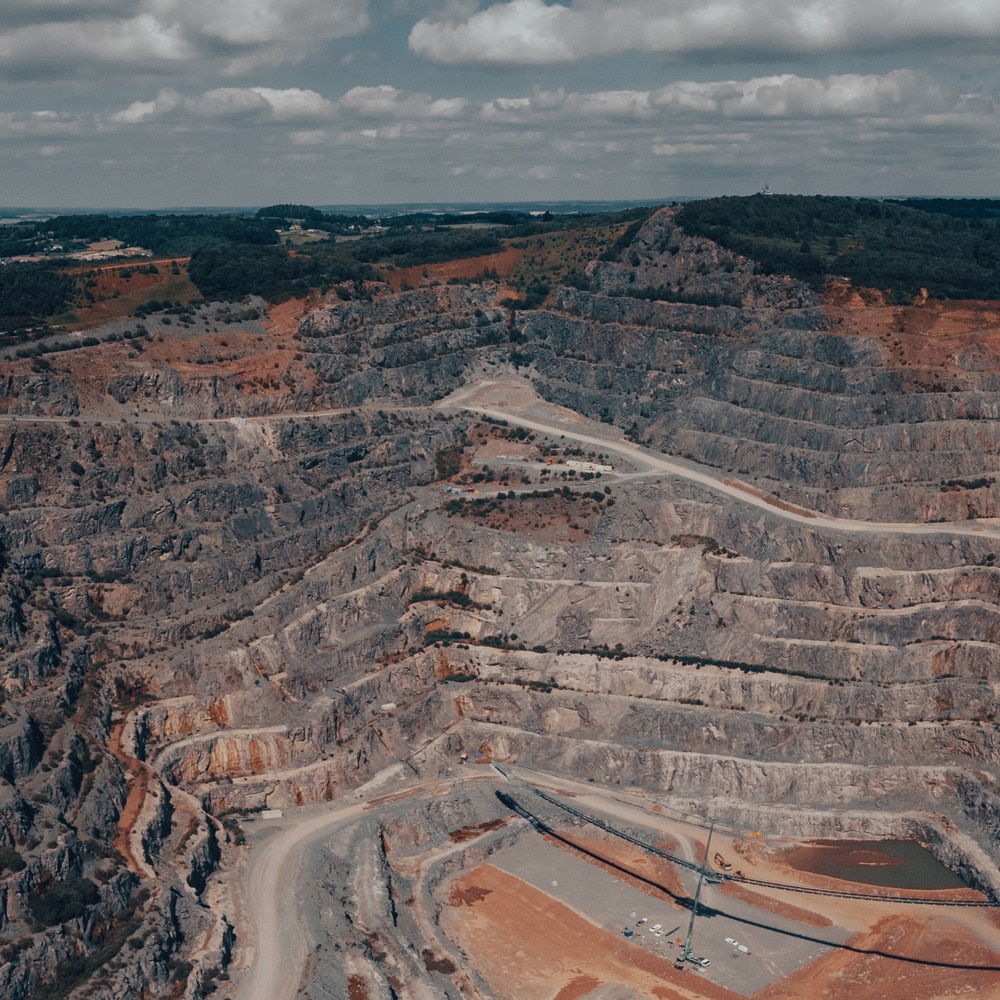
LCA Stages and Benefits
The main life cycle stages assessed in LCA studies include: raw material extraction, transportation, production, use, and end-of-life disposal. These stages can be further broken down into sub-phases depending on the study’s scope and objective. LCA enables the quantification of key environmental indicators, such as carbon footprint, ozone depletion, acidification, eutrophication, photochemical oxidation, resource depletion, energy consumption, water use, and circularity metrics.
By conducting LCA studies, you can evaluate the environmental performance of your products, systems, or processes, and identify areas requiring improvement. These insights can help reduce your environmental impacts, increase resource efficiency, and enhance your competitive advantage.


